← Back to the time atlas

Greece · Athens

Acropolis.
Beyond marble.

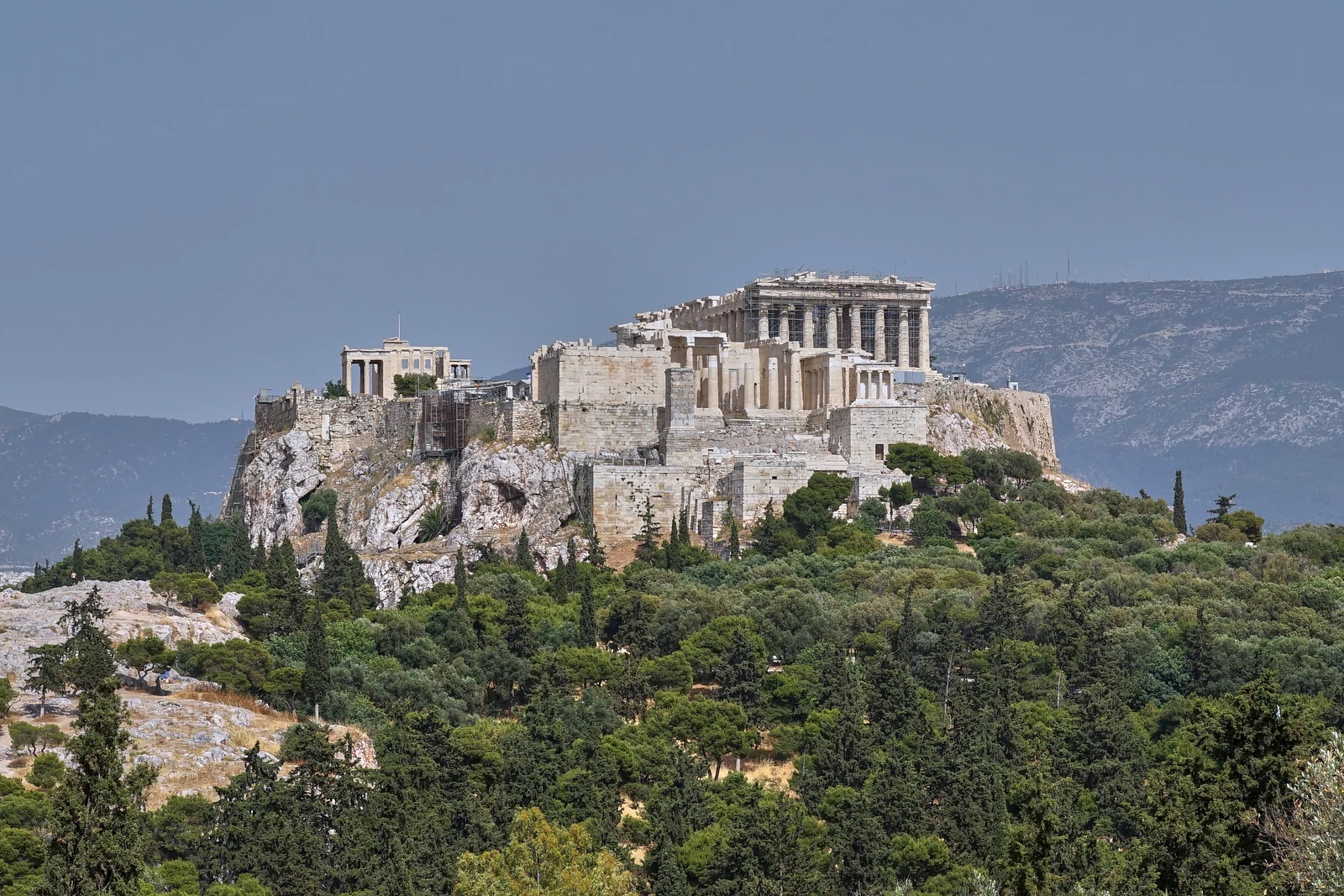
A rock above Athens, a familiar view. Yet today’s ensemble is the product of many centuries. Begin by asking: which stage of its history are we looking at?

Selection: 600 BCE–1000 CE

The Acropolis of Athens with the Parthenon and Propylaea above wooded slopes, viewed from the Pnyx.
View from the Pnyx towards the Acropolis of Athens and the Parthenon, photographed on 20 May 2020. George E. Koronaios · CC BY-SA 4.0
The Acropolis is not just the Parthenon.

The Acropolis is the rock and its ensemble of monuments. The Parthenon is one building on it. The Propylaea, Erechtheion and Temple of Athena Nike also belong to its historical setting. Source: UNESCO · Acropolis, Athens

Through the centuries

No place stands still.

Choose a period. See how the story changes over time.

447–432 BCE

A temple takes shape.

The Parthenon is built in 447–438 BCE; its pedimental sculpture is completed by 432. Architecture and imagery belong together. Travel further back, and this monument cannot yet be taken for granted.

Source

447–432 BCE

A temple takes shape.

The Parthenon is built in 447–438 BCE; its pedimental sculpture is completed by 432. Architecture and imagery belong together. Travel further back, and this monument cannot yet be taken for granted.

Source: Acropolis Restoration Service · Parthenon

Late antiquity / Middle Ages

One building, different meanings.

Following fire damage and repairs, the Parthenon is converted into a church. It remains a place in use. The familiar ruin comes at the end of a much longer history.

Source: Acropolis Restoration Service · Parthenon

Look closer

Antiquity was not simply white.

The Parthenon frieze was painted. The Acropolis Museum identifies colours including red, blue, green, yellow and gold. The almost white appearance of many sculptures is therefore an unreliable guide to their original effect.

Traces and research support the presence of colour. They do not justify an arbitrarily coloured, supposedly certain reconstruction of every detail. Our photograph remains unaltered.

Source: Acropolis Museum · The colours of the frieze
Another way to look

Ask of each element: is it ancient fabric, a later addition, or an original moved to a museum? These distinctions turn a famous view into a readable architectural history.

Reading the place

Beneath the surface.

Buildings and finds reveal more when we consider their context. These close readings connect the evidence with questions to take on a visit.

01

A band of images around the temple.

The Parthenon frieze ran high around the outside of the cella, inside the outer colonnade. Its widely accepted interpretation connects the figures with the Panathenaic procession honouring Athena. Particular scenes and meanings remain debated.

Evidence / source: Acropolis Museum / YSMA · The Parthenon frieze

Consider the sequence on the building, not just individual figures. Following a frieze means reading while moving. A horse, a vessel or a group gains context from adjacent scenes. Museum displays and digital documentation permit close inspection that the original elevated position did not.

What the evidence cannot establish on its own

A procession in relief is not a photographic record of one festival. Interpreting the imagery and reconstructing an actual ritual are related but different tasks.
02

Why a repair can remain visible.

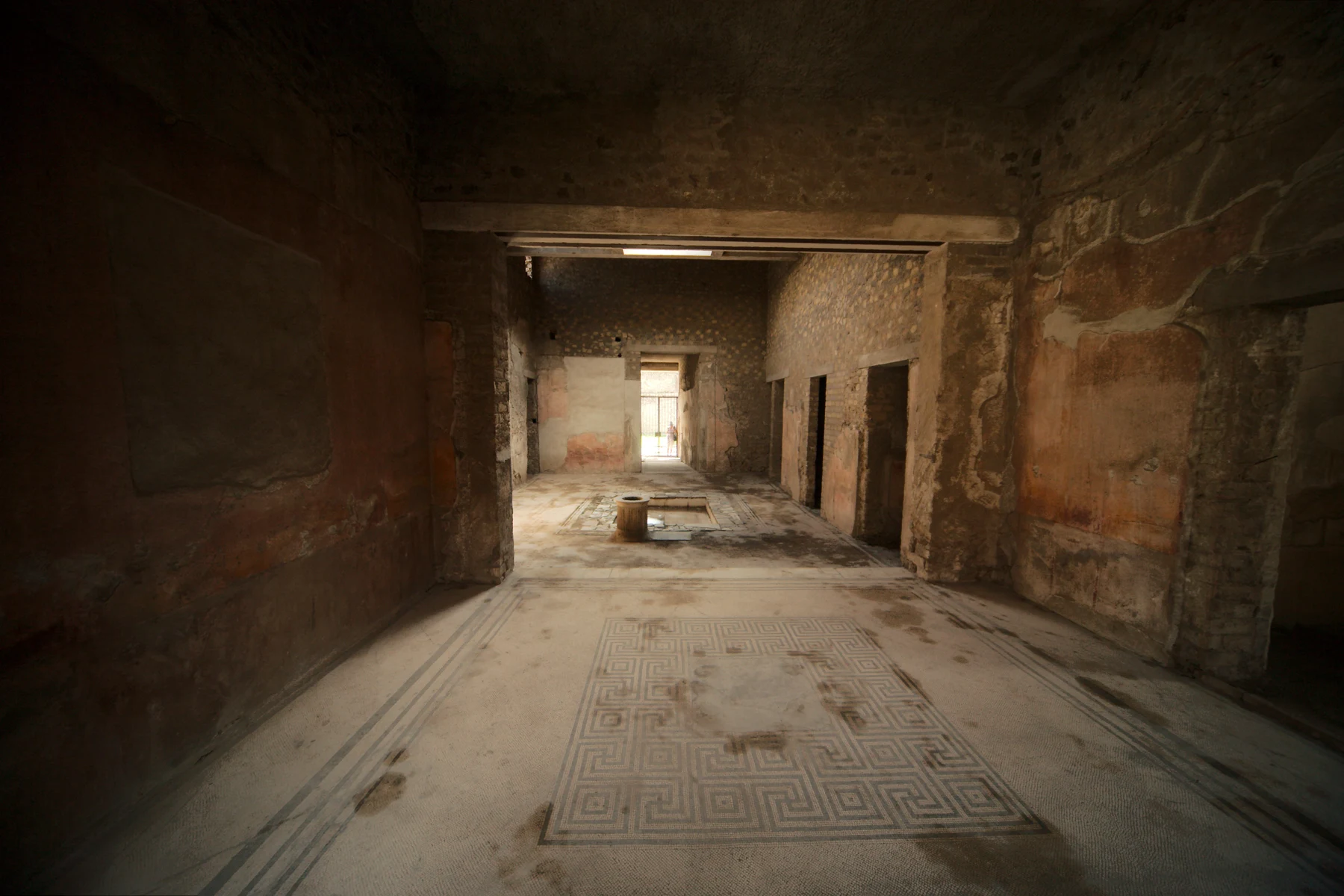
At the cella walls, the restoration service studies and reassesses ancient elements and earlier rebuilding. The damaged fabric is not simply replaced with a completely new temple.

Evidence / source: Acropolis Restoration Service · Ongoing interventions

Consider a surviving stone and its present position. Is its material ancient? Is its identification secure? Is its current connection to neighbouring pieces ancient or modern? A block can be old yet only occupy its present position because of recent work. Conservation becomes another chapter that can be read in the building.

What the evidence cannot establish on its own

A pale surface alone is not a reliable date. Material analysis, documentation and structural relationships tell us more than the colour of a holiday photograph.

Plan a visit

Experience Athens with more context.

The official Hellenic Heritage platform links to visiting information and tickets. Plan the rock and the Acropolis Museum as distinct destinations.

Check time slots, entry conditions and inclusions. An Acropolis offer does not automatically include museum admission; an audio tour is not a live guided visit.

Official visiting information ↗Hellenic Heritage · Ministry of CultureGuided tours on GetYourGuide ↗Compare language, transport, admission and the actual itinerary in each offer.

Affiliate link: we may receive a commission when you book through GetYourGuide. The historical interpretation remains independent.

Visiting sources checked on 24 September 2026. Prices and availability are provided by the operator.

Continue your journey

See this time on the map →
Sources and context

These texts combine published research with editorial explanation. Some dates are approximate. Photographs show documented surviving conditions. Specialist archaeological review is still pending.

  1. Source: UNESCO · Acropolis, Athens
  2. Source: Acropolis Restoration Service · Parthenon
  3. Source: Acropolis Restoration Service · Ongoing interventions
  4. Source: Acropolis Museum · The colours of the frieze
  5. Source: Hellenic Heritage · Acropolis of Athens
Images and usage rights

View from the Pnyx towards the Acropolis of Athens and the Parthenon, photographed on 20 May 2020. George E. Koronaios / Wikimedia Commons · CC BY-SA 4.0. Resized to 1600 pixels wide and converted to WebP; no cropping or content alterations. Framing varies by screen. Derived photograph under the same licence.

Barlow OFL · Manrope OFL